



To start a box truck business, create a business plan, register your company, obtain licenses like a USDOT number, get insurance, buy or lease a truck, and secure clients through load boards or direct contracts.
Introduction
Want to start a box truck business and earn up to $15,000 per month? The good news is you can start with as little as $20,000—even without prior experience.
You’re entering one of the fastest-growing sectors in logistics. With the right box truck business plan, even beginners can build a profitable and scalable delivery business from scratch.
Starting a box truck business is one of the most practical and profitable ways to enter the transportation industry. With the rise of eCommerce, local deliveries, and last-mile logistics, the demand for box truck services is growing rapidly.
The best part? You don’t need a huge fleet or years of experience to get started. Many successful entrepreneurs begin with just one truck and scale over time.
This guide is based on industry data, real-world logistics trends, and insights from active box truck operators who are currently working with load boards and direct contracts.
What Is a Box Truck Business?
A box truck business involves using a straight truck (box truck) to transport goods from one location to another.

These trucks are commonly used for:
- Local deliveries
- Furniture moving
- Retail and warehouse distribution
- eCommerce shipments
Unlike semi-trucks, box trucks are easier to operate and often don’t require a CDL (Commercial Driver’s License) if under 26,000 lbs.
A Day in the Life of a Box Truck Owner
Running a box truck business isn’t just about driving — it involves planning, coordination, and smart time management.
A typical day often starts early in the morning. Most owners begin by checking their schedule, confirming pickup locations, and reviewing delivery routes. Once everything is planned, the truck is loaded either from a warehouse, distribution center, or a local business.
During the day, you’ll focus on completing deliveries efficiently. This includes navigating traffic, managing time slots, and ensuring goods are delivered safely. Good communication with clients is important to avoid delays and build trust.
By the end of the day, the work doesn’t stop. Successful operators track fuel expenses, review earnings, and plan the next day’s jobs. Some also handle invoicing and client follow-ups.
Over time, as you gain experience, your workflow becomes more efficient — helping you complete more deliveries and increase profits.
Real-World Insight from Box Truck Operators
Many successful box truck owners start small and learn through experience. In the early stages, most operators rely on load boards like DAT and TruckStop to find consistent work. As they gain experience, they shift toward direct contracts with local businesses, which offer more stability and higher profit margins.
One common pattern seen among experienced operators is that profitability improves significantly after the first 3–6 months, once routes become optimized and regular clients are secured.
Why Start a Box Truck Business?
Here’s why this business is gaining popularity:
- High demand due to online shopping
- Low startup cost compared to trucking companies
- Flexible working hours
- Easy to scale with more trucks
Many small operators earn $5,000–$15,000/month per truck depending on contracts and workload.
Step-by-Step Guide to Starting a Box Truck Business (With Business Plan Tips)
Creating a solid box truck business plan is the foundation of long-term success. It helps you define your target market, estimate startup costs, and create a strategy for growing your box truck business efficiently.
1. Create a Business Plan
Before investing money, plan everything clearly.
Include:
- Your target market (local delivery, moving, contracts)
- Startup budget
- Pricing strategy
- Marketing plan
This helps avoid mistakes and keeps your business focused.
2. Choose Your Business Structure
You need to legally register your business.
Options include:
- Sole Proprietorship (easy start)
- LLC (recommended for protection)
- Corporation
Most beginners choose LLC because it protects personal assets.
3. Register Your Business & Get EIN
- Register your business name
- Get an EIN (Employer Identification Number)
- Open a business bank account
This is required for taxes and professional operations.
4. Get Required Licenses & Permits
Depending on your operations, you may need:
- USDOT Number
- MC Number (for interstate hauling)
- Business license
- State permits
If you operate within one state, requirements may be simpler.
5. Buy or Lease a Box Truck
Your truck is your main asset.
Options:
- Buy new ($40,000–$80,000)
- Buy used ($15,000–$40,000)
- Lease (low upfront cost)
Popular choices:
- 16 ft – 26 ft box trucks
Tip:
Start with a reliable used truck to reduce risk.
6. Get Commercial Insurance
Insurance is mandatory.
You may need:
- Liability insurance
- Cargo insurance
- Physical damage coverage
Average cost: $8,000–$15,000/year
7. Find Loads / Clients
This is where you actually make money.
Many operators use professional logistics platforms and load boards such as DAT and TruckStop to secure delivery jobs. Additionally, working with eCommerce platforms and third-party logistics providers can help you build consistent income streams.
Ways to find work:
- Load boards (DAT, TruckStop)
- Amazon Relay
- Local businesses
- Moving companies
- Direct contracts
Start with load boards, then move to direct clients for higher profit.
8. Set Your Pricing Strategy
Pricing depends on:
- Distance
- Weight
- Urgency
- Fuel cost
Example:
- Local delivery → $100–$300
- Per mile → $1.50–$3
Always ensure profit after:
- Fuel
- Maintenance
- Insurance
9. Manage Expenses & Cash Flow
Track everything:
- Fuel costs
- Repairs
- Driver payments
- Taxes
Use simple tools or spreadsheets initially.
10. Scale Your Business
Once stable:
- Add more trucks
- Hire drivers
- Get contracts
Scaling = more income + more stability
Startup Costs Breakdown
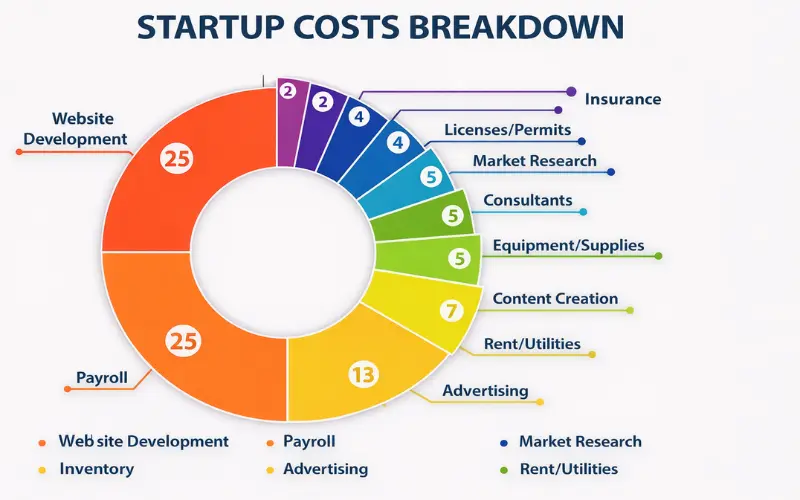
| Expense | Estimated Cost |
| Box Truck | $15,000 – $80,000 |
| Insurance | $8,000 – $15,000/year |
| Registration & Permits | $500 – $2,000 |
| Fuel & Maintenance | $1,000+/month |
| Marketing | $200 – $500 |
Total startup: $20,000 – $100,000
How Much Can You Earn?
Based on industry averages and reports from active owner-operators, a single box truck can generate between $5,000 and $15,000 per month depending on workload, location, and type of contracts.
Income depends on effort and contracts.
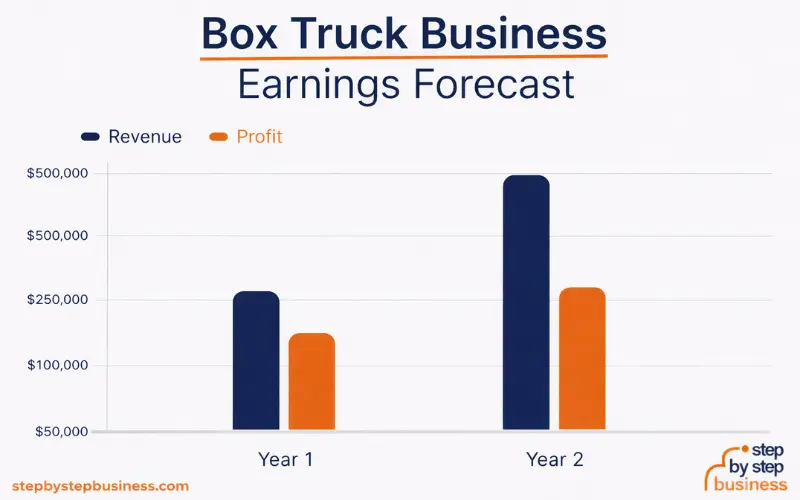
Average:
- Beginner: $3,000–$6,000/month
- Intermediate: $7,000–$12,000/month
- Experienced: $15,000+/month
Profit margins: 20%–40%
Best Niches in Box Truck Business
Choose a niche for better growth:
- Furniture delivery
- eCommerce last-mile delivery
- Medical supply transport
- Appliance delivery
- Moving services
Specialized services = higher rates
Common Mistakes to Avoid
Avoid these beginner mistakes:
- Buying expensive truck too early
- Ignoring insurance
- No contracts (relying only on load boards)
- Poor cash flow management
- Not tracking expenses
When starting a box truck business, choosing the right vehicle and managing costs wisely can significantly impact your profitability in the early stages.
Pro Tips for Faster Growth
- Build relationships with local businesses
- Focus on customer service
- Keep your truck well-maintained
- Use social media for leads
- Reinvent profits
Consistency = long-term success
Conclusion
Whether you’re just exploring or learning how to start a box truck business, having a clear strategy and a strong box truck business plan will set you apart from beginners who struggle to grow.
The key is simple:
Start small, stay consistent, and focus on building reliable clients.
Disclaimer
The income figures and cost estimates mentioned in this guide are based on industry data and may vary depending on location, experience, and market conditions. Always conduct your own research before starting a business.
FAQs
Do I need a CDL to start a box truck business?
No, if your truck is under 26,000 lbs, you usually don’t need a CDL.
How much money do I need to start?
You can start with around $20,000 using a used truck.
Is a box truck business profitable?
Yes, with proper management, it can generate consistent monthly income.
How do I get clients fast?
Start with load boards, then approach local businesses for contracts.
Do I need a business plan to start a box truck business?
Yes, a well-structured box truck business plan helps you manage costs, attract clients, and grow faster.
