

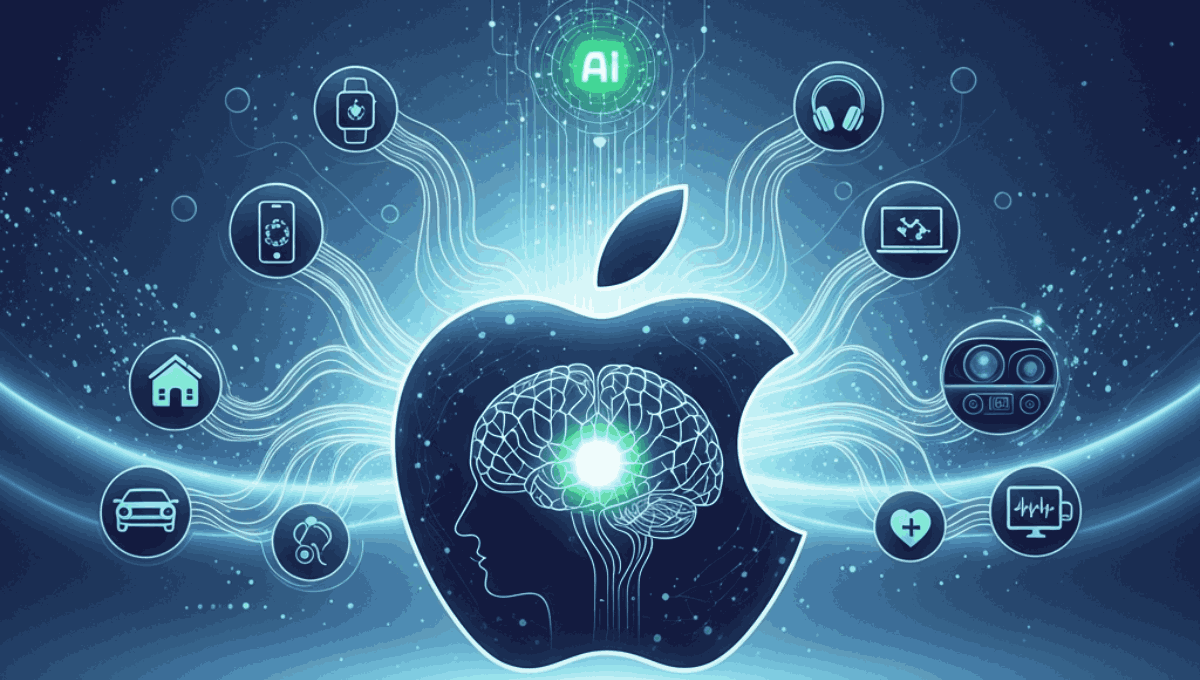

Apple is quietly becoming one of the most important companies to watch in the artificial intelligence race. While it has not officially announced a product similar to OpenClaw or other autonomous AI agent platforms, industry trends strongly suggest that Apple may eventually introduce a powerful, cross-platform AI system designed to act as a personalized digital agent.
Unlike today’s Siri-style assistants, this future system would not just answer questions. Instead, it would take actions, manage workflows, learn user behavior, and operate seamlessly across devices with flexible pricing options.
This potential shift could completely redefine how users interact with technology in everyday life.
The Shift From AI Chatbots to AI Agents
Artificial intelligence is currently going through a major transformation. Early AI systems focused mainly on answering questions. However, the next generation of AI is moving toward autonomous agents that can perform tasks on behalf of users.
These AI agents are designed to go beyond conversation. They can complete multi-step actions, interact with apps, and manage digital workflows without constant human input.
Core Difference Between Chatbots and AI Agents
| Feature | AI Chatbots | AI Agents |
| Function | Answer questions | Perform tasks |
| Memory | Limited | Persistent & personalized |
| Action Ability | Low | High |
| App Integration | Minimal | Deep integration |
| Automation | None or basic | Advanced workflows |
This shift is extremely important because it turns AI from a reactive tool into a proactive digital assistant.
Why Apple Is Being Closely Watched
Apple is uniquely positioned to enter the AI agent space due to its ecosystem control and hardware-software integration.
The company owns the entire user experience — from chips to operating systems to devices. This allows Apple to build AI systems that are deeply embedded into everyday usage.
Another major advantage is Apple’s strong focus on privacy and on-device processing, which is becoming increasingly important in AI adoption.
Apple is also already investing heavily in machine learning, Siri upgrades, and Apple Intelligence systems, which could serve as the foundation for a future AI agent platform.
What an Apple AI Agent System Could Look Like
If Apple builds an OpenClaw-style competitor, it would likely function as a system-level intelligence layer across all devices rather than a standalone app.
It would understand user context, predict needs, and execute tasks automatically.
Possible Architecture of Apple AI Agent
| Layer | Function |
| Personal Memory Layer | Learns habits, preferences, and routines |
| Action Engine | Executes tasks like booking, scheduling, and messaging |
| App Integration Layer | Connects with Apple + third-party apps |
| Context Awareness System | Uses location, time, and behavior signals |
This structure would allow users to simply say:
- “Plan my entire day”
- “Reschedule my meetings”
- “Book my usual travel route”
…and the AI would handle everything automatically.
Cross-Platform Expansion Strategy
One of the biggest questions is whether Apple would keep such an AI system only inside its ecosystem or expand it across platforms.
While Apple traditionally keeps services inside its ecosystem, AI competition may force a more flexible approach.
Potential Platform Expansion
| Platform | Role in AI Ecosystem |
| iOS / iPadOS | Primary AI experience |
| macOS | Productivity and work automation |
| Web Access | Universal AI entry point |
| Windows | Enterprise adoption |
| Android | Wider consumer reach |
A cross-platform strategy would significantly increase Apple’s global AI footprint and competitiveness.
Personalized AI as the Core Innovation
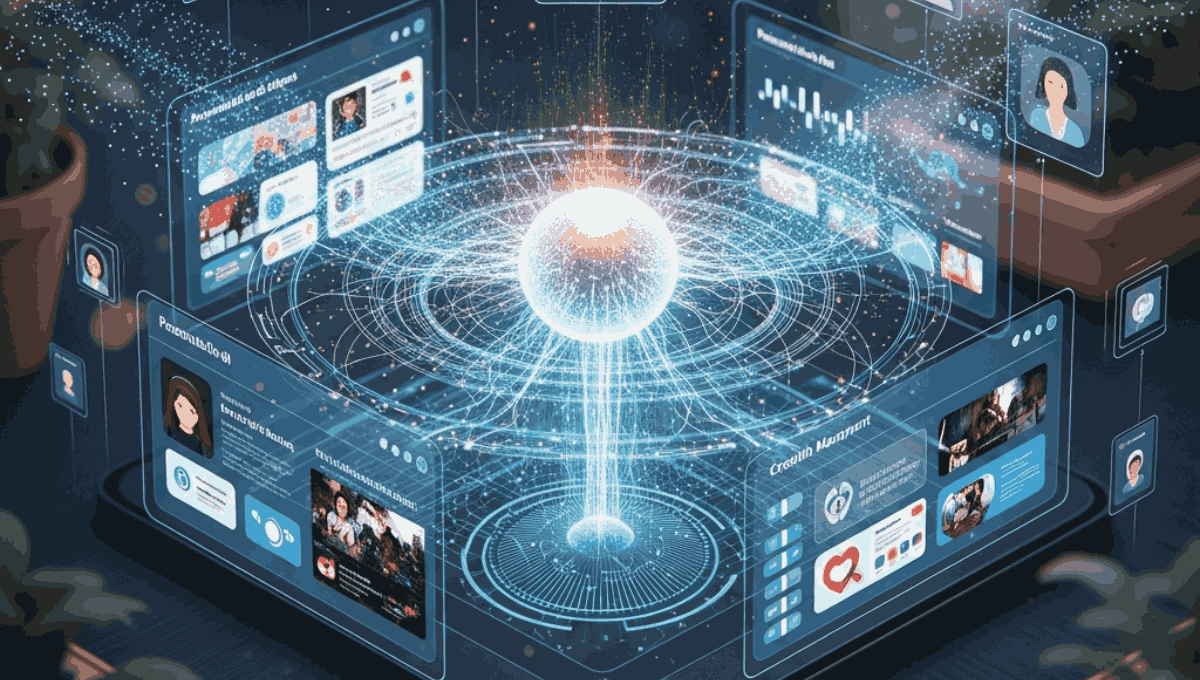
The biggest value of future AI systems lies in personalization.
Instead of generic responses, AI agents will deeply understand individual users over time.
They will learn:
- Daily routines and habits
- Communication style
- Work and productivity patterns
- App usage behavior
- Long-term goals and preferences
This allows the AI to move from being a tool to becoming a personal digital companion.
For Apple, this is especially powerful because its ecosystem already collects contextual user data across devices in a privacy-controlled environment.
Flexible Pricing Could Change the AI Market
If Apple enters this space, pricing strategy will be a key factor in adoption.
AI services today are often subscription-based, but Apple could introduce a more flexible model to attract different types of users.
Possible Pricing Structure
| Plan | Features | Target Users |
| Free Tier | Basic AI assistance | Casual users |
| Standard Plan | Personalization + productivity tools | Everyday users |
| Pro Plan | Advanced automation + memory features | Power users |
| Enterprise Plan | Team workflows + integrations | Businesses |
This model allows Apple to cover both casual users and professional environments while maximizing revenue flexibility.
Competitive Landscape of AI Agents
Apple would not be entering an empty market. Several major companies are already developing AI agents and automation systems.
OpenAI, Google, Microsoft, Anthropic, and Meta are all investing heavily in AI-driven assistants and autonomous systems.
However, Apple’s competitive advantage would not be raw AI power. Instead, it would come from:
- Seamless ecosystem integration
- Strong privacy protection
- High-quality user experience
- Hardware + software control
- Brand trust and loyalty
These factors could help Apple stand out in a crowded AI market.
Challenges Apple Would Need to Solve
Even with strong advantages, building an AI agent platform comes with serious challenges. Companies entering the AI space must also develop effective risk management strategies to address security concerns, regulatory compliance, and operational failures.
Apple would need to ensure:
- High accuracy and reliability in real-world tasks
- Strong regulatory compliance across global markets
- Massive computing infrastructure for AI processing
- User trust in autonomous decision-making
- Competition against already advanced AI models
Since AI agents directly perform actions, even small mistakes could impact user trust significantly.
What This Means for Users
If Apple successfully builds a personalized AI agent platform, it could significantly change how people use technology.
Instead of manually interacting with apps, users would increasingly rely on AI to:
- Manage schedules and meetings
- Handle communication and emails
- Automate repetitive tasks
- Provide real-time recommendations
- Organize digital life more efficiently
This could reduce digital complexity and make technology more intuitive and human-like.
Final Thoughts
While Apple has not officially confirmed any OpenClaw-like AI agent product, the direction of the industry strongly suggests that such a development is possible in the future.
With its ecosystem strength, privacy reputation, and deep hardware-software integration, Apple is uniquely positioned to become a major force in the next generation of artificial intelligence.
If Apple does move into this space, it may not just compete with existing AI companies — it could redefine what a personal assistant truly is in the modern digital era.
Instead of AI being something you interact with, it could become something that works continuously on your behalf.
